Tag Templates & Smudged-Edges Overlay: Instant Texture for Digital Projects
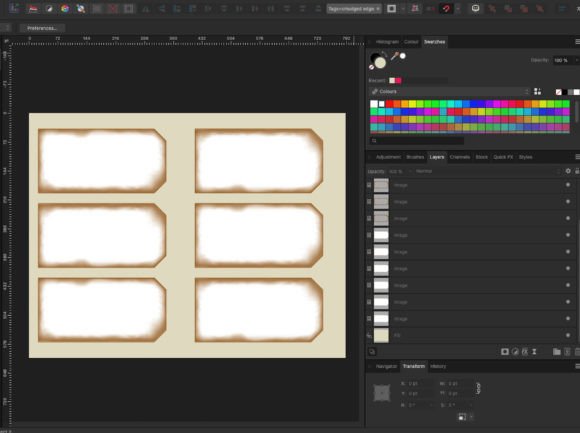
Sometimes you just want things to be easy. I created the Tag Templates & Smudged-Edges Overlay for myself, as a fast way to make tags to match other kit elements, but maybe it will help you too. This high-resolution PDF is a set of design assets opened in editing software—I use Affinity Photo—where you use the tag images to mask any image, PNG, or JPG. Once the tag image is filled, simply slide one of the smudged edges over top. Export it, and your smudged-edge tag is done with no inky fingers. Do the full set and export a sheet to print. Could you mess about with digital brushes for each tag you make? Sure, of course, but if you don't want to—or don't know how to—this is a fast solution.
A Practical Solution for Busy Creatives
This isn't about complex typography theory; it's about real-world value. The appeal of the Tag Templates & Smudged-Edges Overlay lies in its straightforward, problem-solving nature. The visual style is one of authentic, tactile distress—like a well-handled shipping tag or a vintage label that has seen some life. The personality is practical, slightly rugged, and inherently creative. It offers that hand-made, imperfect charm that adds depth and interest to a design without requiring hours of manual work or specialized skill with digital brushes.
For designers, marketers, and content creators, this resource fits perfectly into projects where speed and a cohesive aesthetic are paramount. Think of creating consistent brand elements for a packaging design mockup, producing a batch of styled product images for social media graphics, or crafting unique editorial design accents for a blog or digital magazine. The overlay's distressed edges introduce a layer of visual hierarchy and texture that can make flat digital designs feel more grounded and interesting, directly influencing audience engagement by adding a human touch.
Integrating Texture into Your Brand Identity
While it's a specific tool, the Tag Templates & Smudged-Edges Overlay can be a subtle yet powerful component in building a brand identity. Consistency is key in branding, and having a set of matching, textured tags ensures every touchpoint—from a web design asset to printed collateral—feels intentionally crafted and professional. The distressed overlay style works exceptionally well for brands aiming for a vintage, artisanal, or DIY-inspired aesthetic. It can soften the sometimes sterile feel of purely digital modern typography, adding recognition and warmth.
Consider its use in logo design concepts for a coffee roaster or a craft brewery, where a smudged, textured tag element could become a recognizable part of the visual language. For entrepreneurs and small business owners, it allows for the creation of premium looking marketing materials without a premium budget or timeline. The ability to change the distressed edges to any color with a click is a significant advantage, enabling perfect alignment with an existing brand color palette for true brand perception consistency.
How to Use and Evaluate This Creative Font
Using this resource is intentionally simple. Open the PDF in your preferred editing software. Use the provided tag shapes as clipping masks for your chosen imagery. Then, layer the smudged-edge overlay on top. You can apply a blend mode, like Multiply or Overlay, to integrate it seamlessly. A critical piece of advice: you can resize the tags, but you must resize the overlay to match. This ensures the scale of the distress texture remains realistic and proportional, maintaining readability and visual coherence.
When evaluating if this is the right fit for your project, think about the desired emotional response. Does your project call for an organic, hands-on feel? If you're working on a clean, corporate report, it might not align. But for a indie book cover, a café menu, a scrapbook-style wedding website, or a maker's product line, it's ideal. It functions less like a traditional font (serif, sans serif, script) and more like a design asset that complements your chosen typeface. Pair it with a clean sans serif font for balance, or a handwritten font to amplify the casual, crafted vibe. Always test it in your layout to see how the texture interacts with your other elements and text. Its value is in its specificity—it's a creative font solution for adding immediate, authentic texture to tag-shaped elements in your digital workflow.