Mental Health Pinterest Templates: Visual Wellness
Why Your Feed Needs a Calming Aesthetic
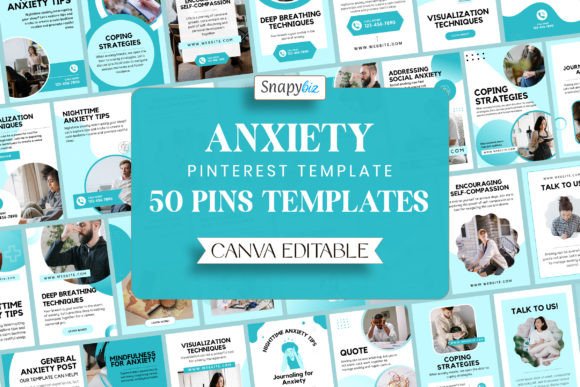
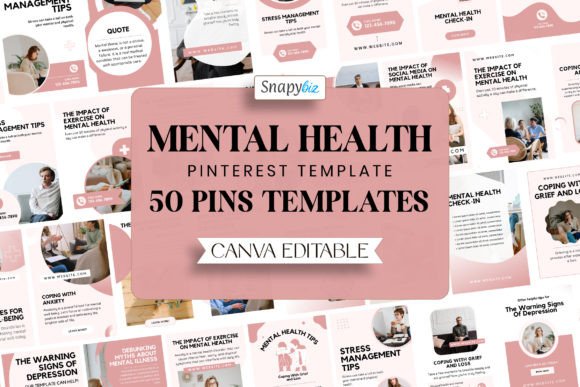
If you've ever scrolled through Pinterest searching for mental health resources, you know the platform is a mix of noise and clarity. As a health coach or therapist, cutting through that noise isn't just about shouting louder; it's about creating a visual sanctuary. That is exactly where Mental Health Pinterest Templates come into play. These aren't just pretty pictures; they are strategic design assets crafted to evoke a sense of peace and authority. In a space crowded with bold, aggressive marketing, these templates offer a softer, more empathetic approach to social media graphics.
The visual language of mental health support is specific. It relies on whitespace, soothing color palettes—think sage greens, soft blues, and warm neutrals—and legible typography. When you utilize these Canva templates, you are essentially adopting a modern typography style that prioritizes readability and emotional resonance. This isn't about complex script fonts that are hard to read on a mobile screen; it's about clean sans serif fonts paired with approachable headings that guide the eye gently from the hook to the solution.
The Anatomy of a High-Performing Pin
Creating a pin that actually saves and clicks requires more than just slapping text on an image. It requires an understanding of visual hierarchy. These templates are pre-structured to handle this for you. Usually, you will find a strong display font used for the main hook—something with character but high legibility—paired with a clean body copy style. This pairing is crucial for brand identity. It tells the viewer immediately that you are professional, organized, and trustworthy.
Consider the practical application. You have a new blog post about "5 Ways to Manage Anxiety." Without a template, you might spend an hour fiddling with alignment and font sizes in Canva. With these instant download health pins, the layout is already optimized for the Pinterest algorithm, which favors tall, vertical images (usually a 2:3 aspect ratio). The text placement is intentional, leaving room for your own imagery or stock photos. This consistency is vital. When your feed looks cohesive, it builds recognition. Users will start to recognize your content before they even read your name, simply because your brand identity is locked in through consistent design choices.
Customization: Making the Template Your Own
One of the biggest misconceptions about templates is that they make your brand look generic. That couldn't be further from the truth if you know how to use them as a foundation. These Mental Health Pinterest Templates are designed to be fully customizable. This means you can—and should—inject your own personality into them.
Start with the colors. If your practice uses a specific shade of violet to represent mindfulness, swap out the template’s default colors. Then, look at the fonts. While the provided typeface combinations are curated by designers, you might have a specific premium font you purchased for your logo. You can swap the heading font to match your logo design elements, creating a seamless transition from your website to your Pinterest board.
However, a word of caution on readability. It is tempting to choose a trendy handwritten font because it feels personal. But remember, your audience might be reading this on a small phone screen while scrolling quickly. If the handwritten font is too thin or the loops are too tight, you lose the message. Stick to the sans serif or clean serif options for the body text and reserve the decorative styles for the large, bold headlines. This ensures your web design principles carry over to your social strategy.
Strategic Placement for Maximum Reach
Where you use these templates matters just as much as how you design them. Obviously, they are built for Pinterest, but their utility extends into other areas of your digital and print strategy.
- Blog Headers: Resize a pin template to fit your website’s header image. It keeps your editorial design consistent.
- Instagram Stories: The vertical format of Pinterest pins translates perfectly to Stories. Use them to share quick mental health tips.
- Printables: Because these are high-quality vectors in Canva, you can scale them up for packaging design or client handouts. Imagine giving a client a worksheet that matches the aesthetic of the pin that brought them to you. That is powerful brand identity.
Don't underestimate the power of font pairing in these scenarios. A strong visual hierarchy helps busy people absorb information faster. If you are posting a checklist for self-care, the headers need to pop, and the list items need to be scannable. These templates solve that UX problem without you needing a degree in graphic design.
Evaluating Your Design Assets
Before you download and start editing, take a moment to evaluate the fit. Does the template style match the "vibe" of your practice? If you are a high-energy performance coach, a very soft, watercolor-style template might feel disjointed. Conversely, if you specialize in trauma recovery, you want to avoid overly aggressive, neon-colored designs. Look for templates that balance professionalism with warmth.
Check the file details. Since these are Canva templates, ensure you have a Canva account (the free version usually works, but Pro offers more font flexibility). Look at the variety included in the pack of 50. You want a mix of:
- Quote Pins: For sharing inspiring mental health affirmations.
- List Pins: For driving traffic to your blog posts.
- Service Pins: For promoting your specific coaching packages.
Finally, consider the licensing. Since you are using these for commercial purposes—promoting your business—you need to ensure the commercial font licenses included with the templates allow for this. Most design assets sold on marketplaces for this purpose include a commercial license, but it is always good practice to double-check. This protects your business and ensures you aren't infringing on typography copyrights.
Ultimately, these Mental Health Pinterest Templates are tools to bridge the gap between your expertise and your audience's needs. They handle the heavy lifting of visual hierarchy and aesthetic appeal, allowing you to focus on what you do best: helping people heal and grow. By leveraging these customizable assets, you elevate your online presence from amateur to authoritative, making it easier for those in need to find and trust you.